
What Career Opportunities will I have as a CDL Driver?

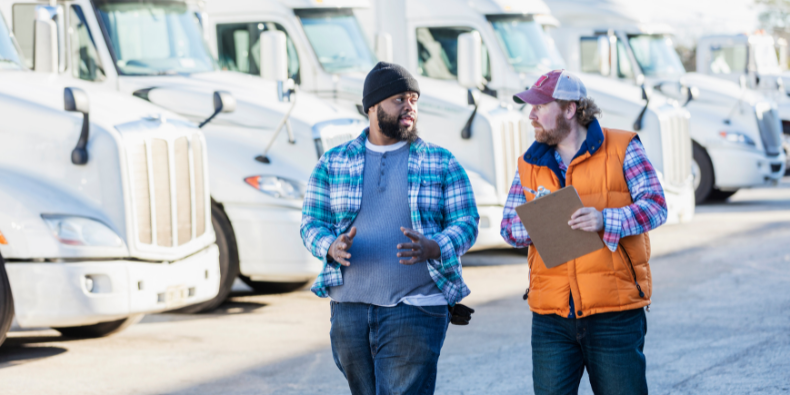
Whether your goal is to hit the open road from now until retirement or to work your way into a different career in logistics -- Truck driving is an excellent place to start.
CDL Career Opportunities: Explore Your Options
Earning a Commercial Driver’s License (CDL) can open the door to different opportunities in transportation. Whether you’re interested in driving close to home, traveling longer distances or building experience for other industry roles, understanding your options is a good place to start.
The positions available to you depend on your license class, endorsements, experience, driving record and each employer’s hiring requirements. Pay, schedules and home time also vary by employer and position.
Find a Driving Path That Fits Your Goals
CDL driving jobs can involve different routes, equipment and responsibilities. Here’s an overview of three common types of driving work.
Local Driving
Local drivers generally operate within a city or surrounding area. Their work may include delivering goods to businesses, transporting materials or supporting local distribution operations.
Many local positions allow drivers to return home daily, but schedules can include early mornings, nights or weekends. Some jobs also involve loading and unloading freight or making multiple stops throughout a shift.
Experience requirements vary. Some employers consider entry-level drivers, while others require previous commercial driving experience.
Regional Driving
Regional drivers typically transport freight within a defined geographic area that may cover several cities or states.
These positions can offer a mix of longer driving distances and recurring routes. Depending on the employer and assignment, drivers may spend nights away from home. Home time, schedules and time on the road vary by position.
Long-Haul Driving
Long-haul drivers, also known as over-the-road (OTR) drivers, transport freight over longer distances and may travel across multiple states.
These positions can involve extended periods away from home and require drivers to manage their time, follow safety requirements and adapt to changing routes and conditions.
Some employers offer opportunities for entry-level drivers, while others require prior experience. Before accepting a position, ask about training, typical routes, home time and compensation.
Other Career Paths in Transportation
Driving experience can help you build knowledge of transportation operations. Depending on your interests and qualifications, you may eventually explore business ownership or other roles within the industry.
Owner-Operator Opportunities
An owner-operator runs a trucking business, typically using a truck they own or lease to transport freight.
Along with driving, owner-operators manage business responsibilities such as insurance, maintenance, fuel costs, recordkeeping and securing work. Income and expenses vary, and profitability is not guaranteed.
This path requires careful planning, industry knowledge and an understanding of the financial responsibilities involved.
Driver Training, Dispatching and Fleet Operations
With additional experience and qualifications, drivers may pursue opportunities in driver training, dispatching, safety or fleet operations.
These roles draw on different skills, from helping drivers develop safe habits to coordinating schedules and supporting day-to-day transportation needs. Each position has its own requirements and may involve additional education, training or credentials.
Career Services and Job-Search Support
The CDL School’s Career Services team offers job-search assistance to help students and graduates explore potential employment opportunities.
Contact the team to learn about available support and employer opportunities that may fit your qualifications and interests. As you evaluate openings, consider each position’s responsibilities, hiring requirements, schedule, location and compensation.
Employers make their own hiring decisions and set their own qualifications. These may include requirements related to driving history, experience, background screening, drug testing and other job-specific criteria.
Completing training or receiving career services assistance does not guarantee employment, a job offer, a particular employer, pay rate, route or schedule.
Questions to Ask When Exploring Driving Jobs
Knowing what to ask can help you compare opportunities and understand what a position involves:
- Does the employer hire entry-level drivers?
- What license class, endorsements and experience are required?
- Is the position local, regional or long-haul?
- How often can drivers expect to be home?
- What does a typical workweek look like?
- How is compensation calculated?
- Does the job involve loading, unloading or other physical duties?
- What additional training or orientation does the employer provide?
Review the details of each opportunity directly with the employer so you can make an informed decision.
Ready to Explore CDL Training?
Your goals can help guide your training decisions. Speak with an Admissions Advisor about available programs, entrance requirements and the next steps in the application process.
Whether you’re considering a career change or exploring transportation for the first time, our team can help you understand your training options.